Practical, evidence-based guidance on fertility, ovulation,
and pregnancy planning, from tracking your cycle accurately to
understanding what a due date estimate is really telling you.
Understanding Your Cycle, Fertility, and Pregnancy Timeline
Reproductive health runs on numbers: cycle length, ovulation
day, fertile window, due date. The trouble is that most of
those numbers get treated like fixed facts when they're really
estimates built on averages. This collection walks through
where each estimate comes from and how much it can shift from
person to person.
You'll find guides on finding your fertile window and the best
time to conceive, spotting the difference between a normal
cycle and an irregular one, and using ovulation signs
alongside calendar tracking instead of relying on either one
alone. On the pregnancy side, we cover how a due date is
calculated, from Naegele's rule to ultrasound dating, why that
date so often moves, and what a week-by-week timeline actually
looks like once you have it.
None of this is meant to replace a conversation with your
doctor or midwife. It's meant to make that conversation
easier, so you walk in already understanding what your cycle
app or due date calculator is basing its numbers on, and which
questions are worth asking when your own body doesn't match
the average.
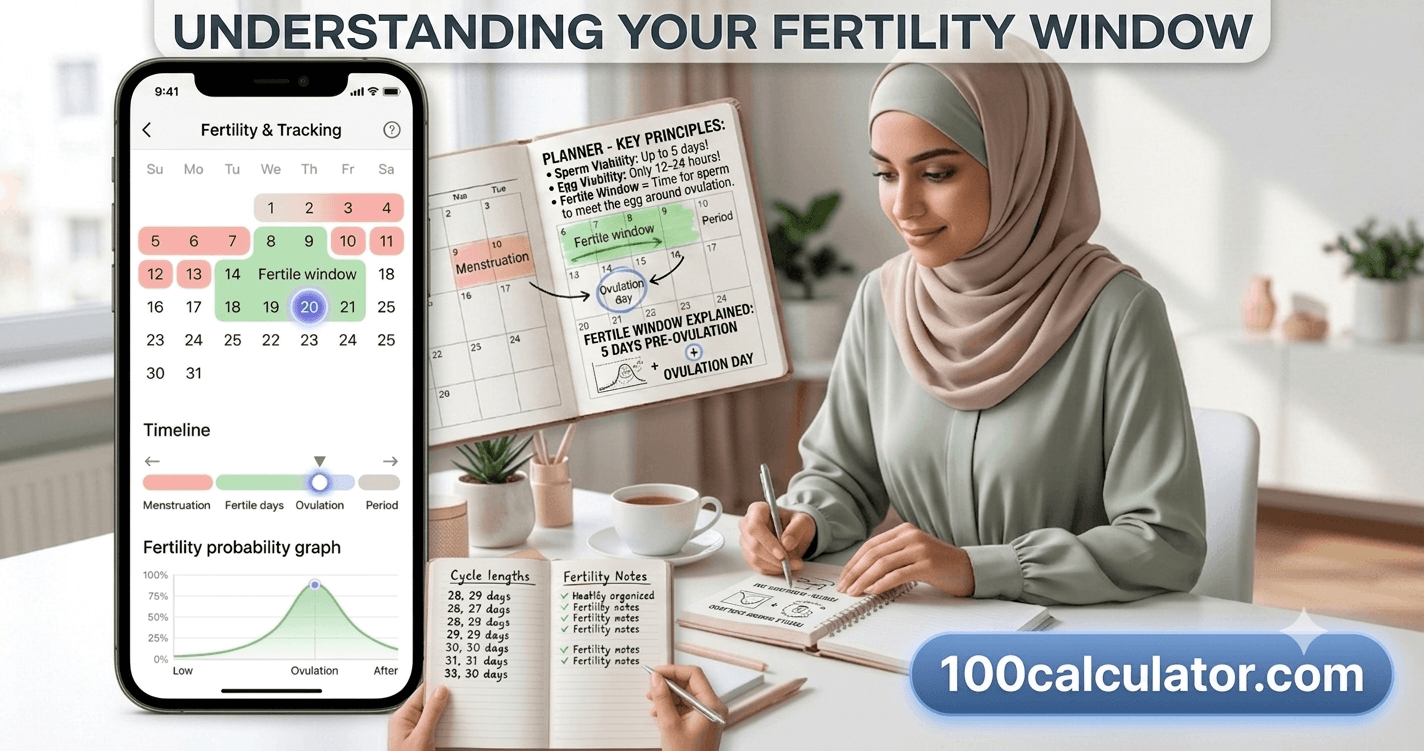
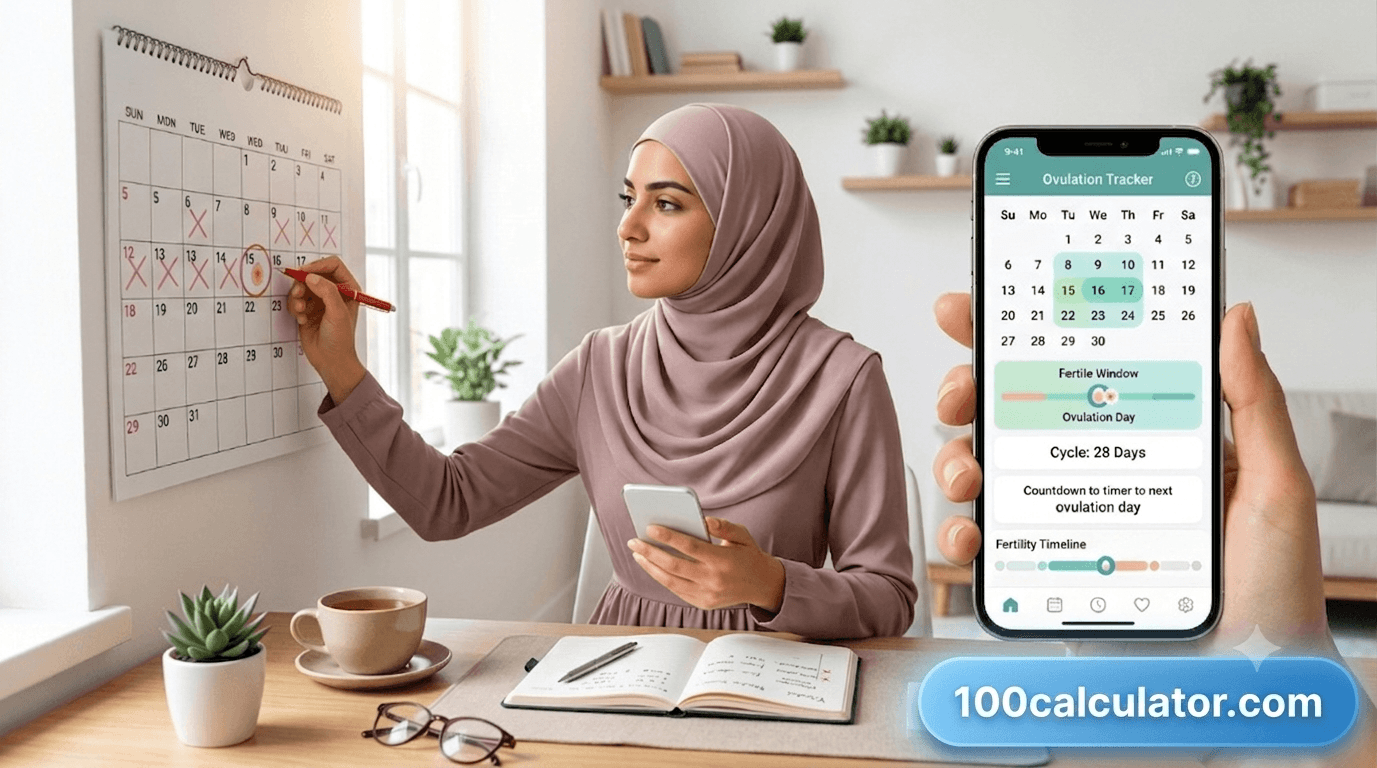
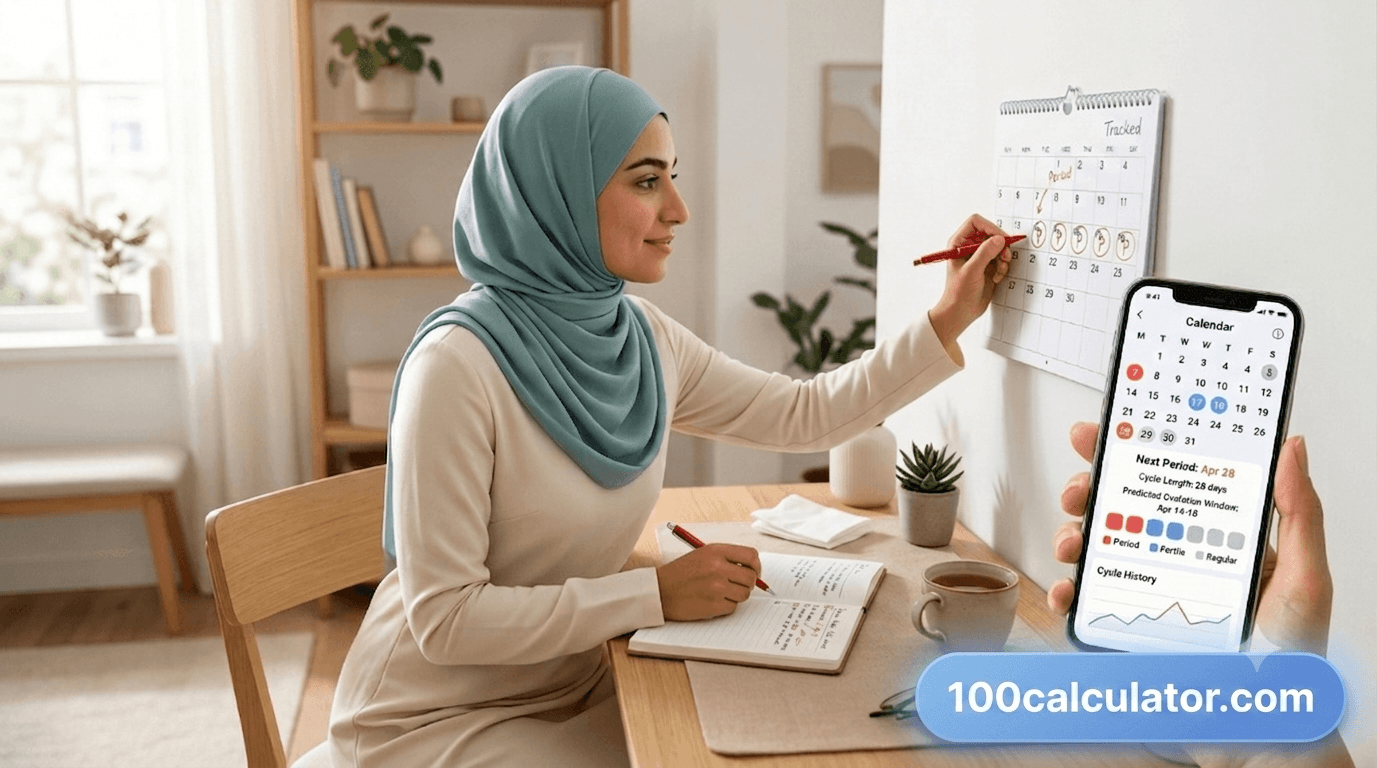
Find your best time to conceive with fertile window
timing, ovulation signs, and cycle tracking tips backed
by research, plus a free pregnancy calculator.
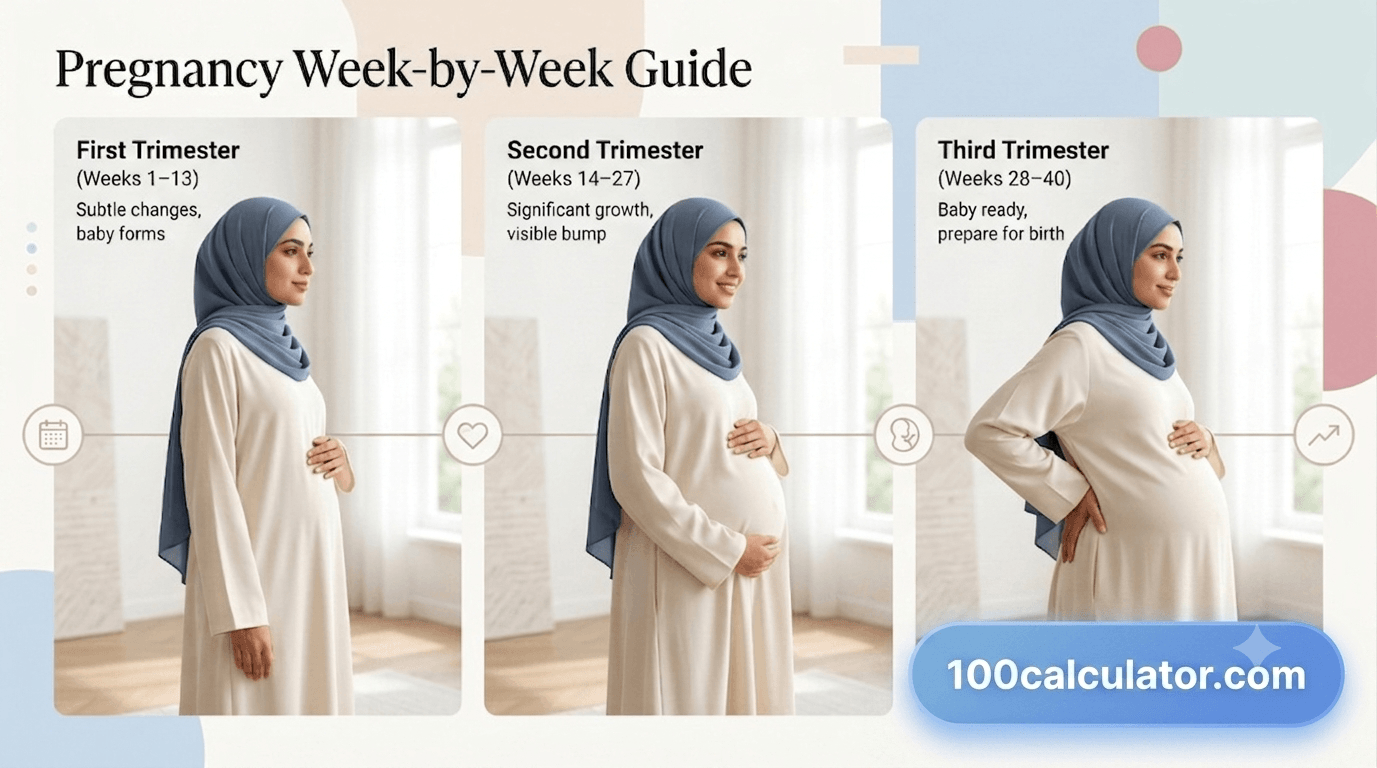
See what happens week by week during pregnancy — fetal
growth, body changes, symptoms, and key milestones
across three trimesters, from week 1 to birth.
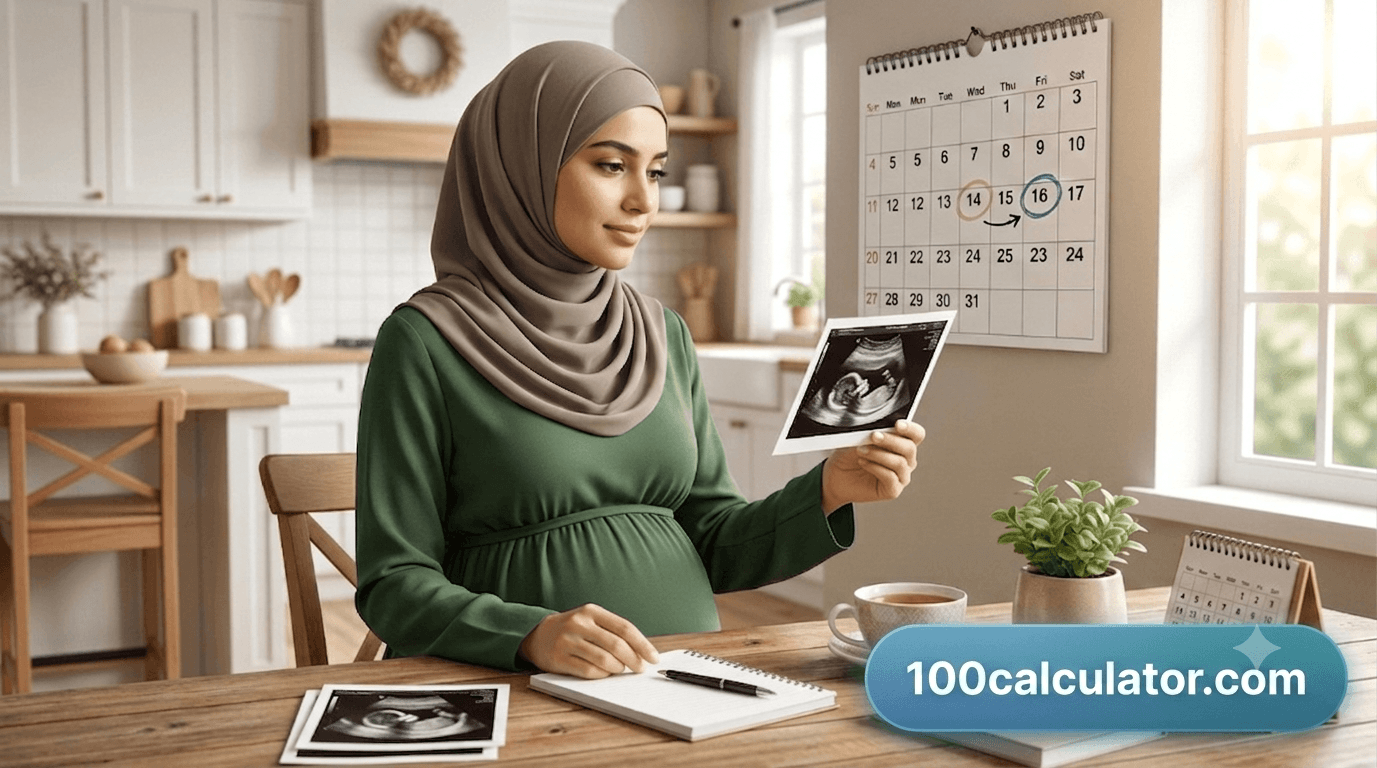
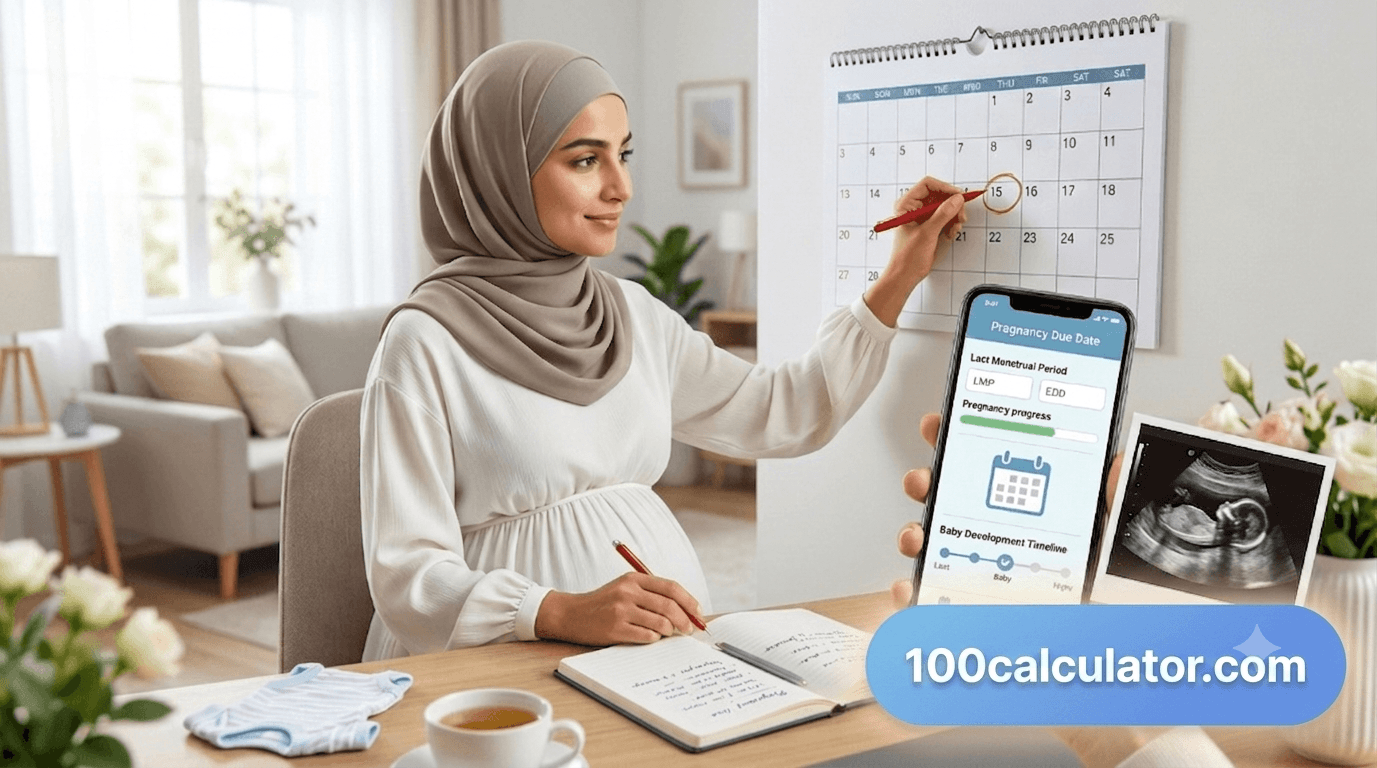
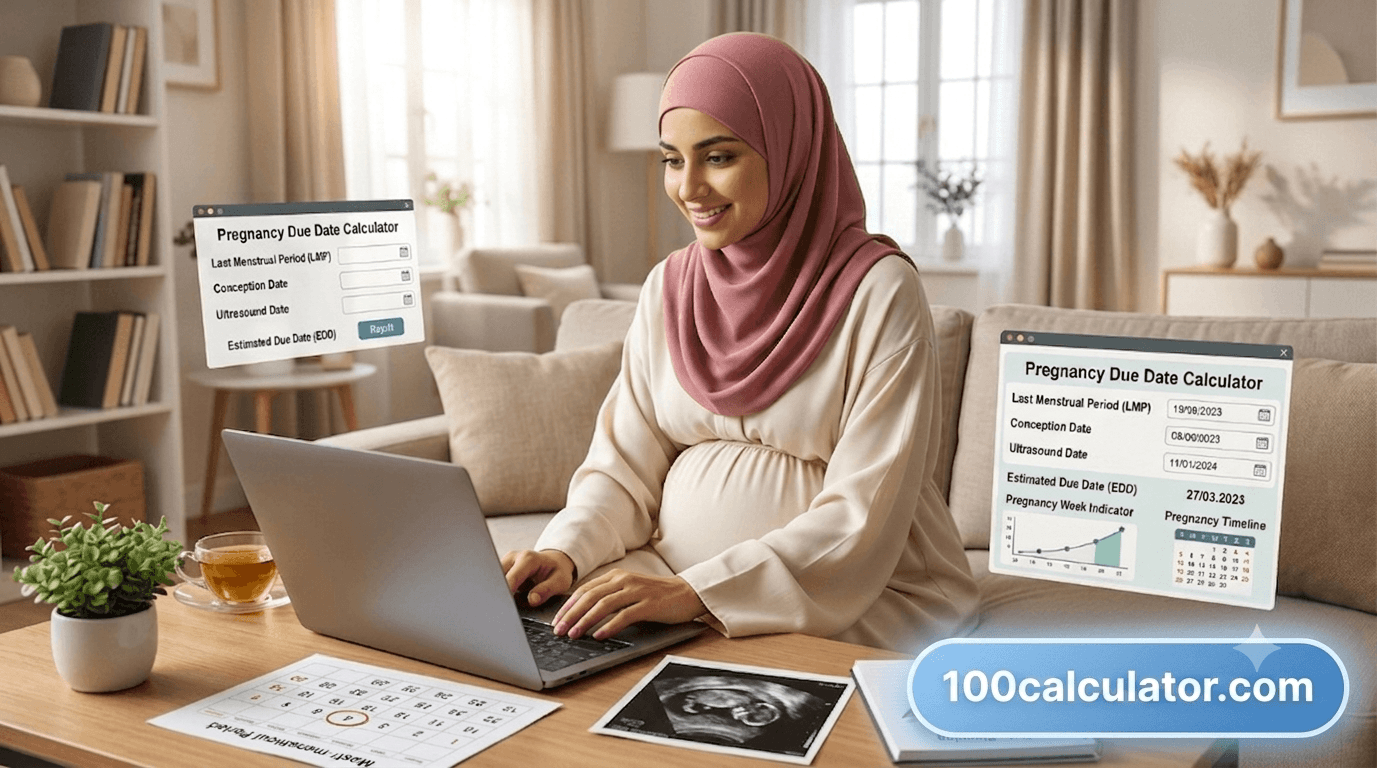
Learn how a pregnancy calculator works, from Naegele's
rule to ultrasound dating, so you can estimate your due
date accurately and know what comes next.
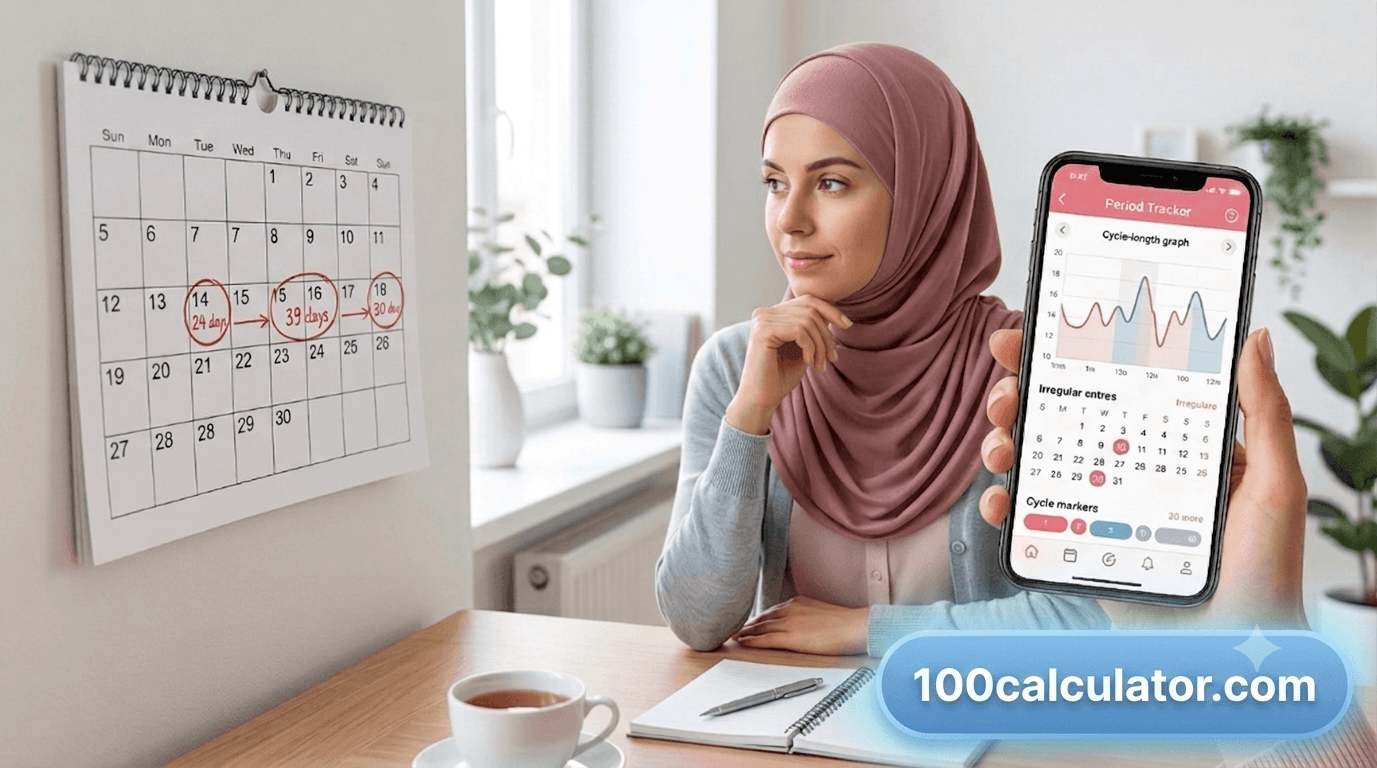
Learn the signs of an irregular menstrual cycle, common
causes by age, and when to worry. Use a period tracker
to spot patterns and know when to see a doctor.
 Women's Health Guide