The risk math behind leveraged crypto trading and liquidity
provision: liquidation price, funding rates, impermanent loss,
and how to size positions based on real risk tolerance.
Liquidation Price, Funding Rates, and Impermanent Loss
Explained
Leverage and liquidity provision both come with a specific
kind of risk that a plain spot trade doesn't have. This
category is dedicated to understanding that risk before it
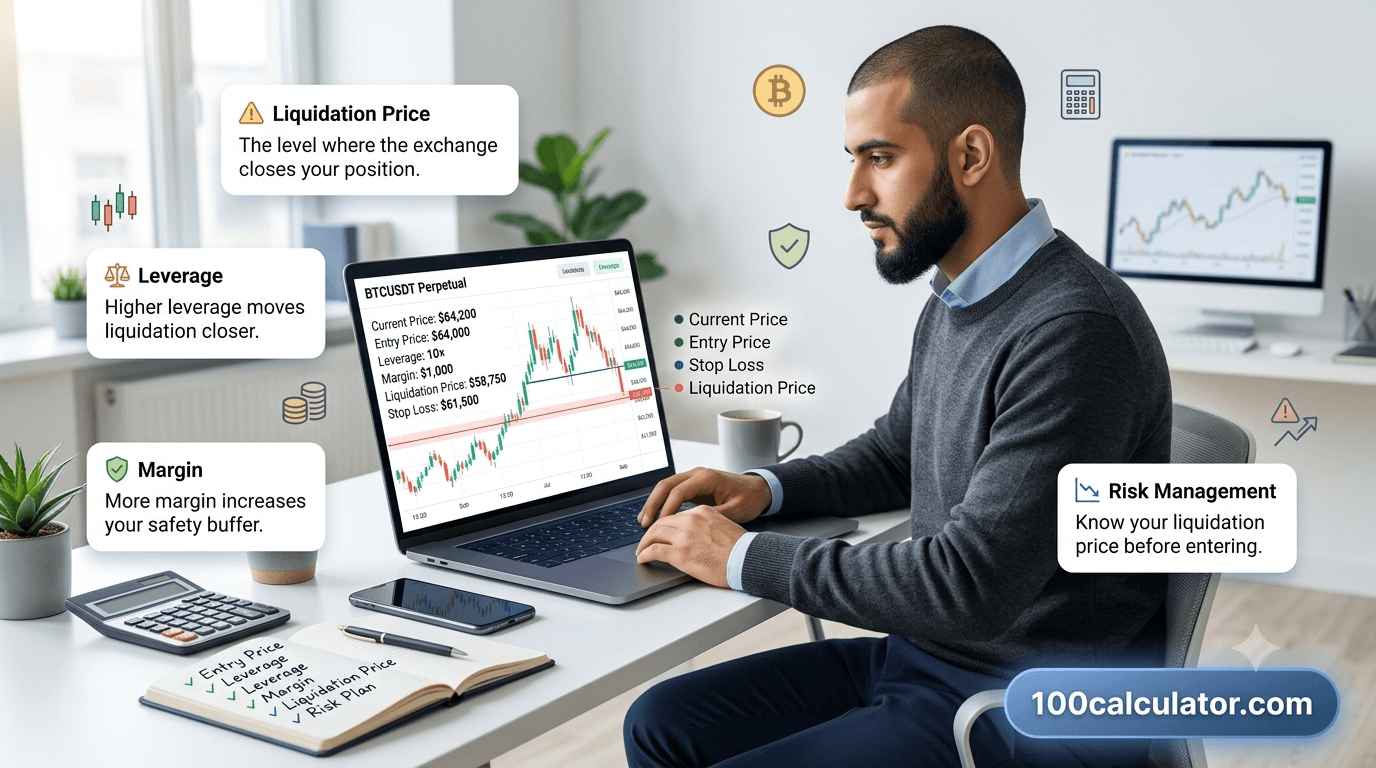
becomes an actual loss, starting with how liquidation price is
calculated in crypto futures and how to avoid liquidation when
trading with leverage in the first place.
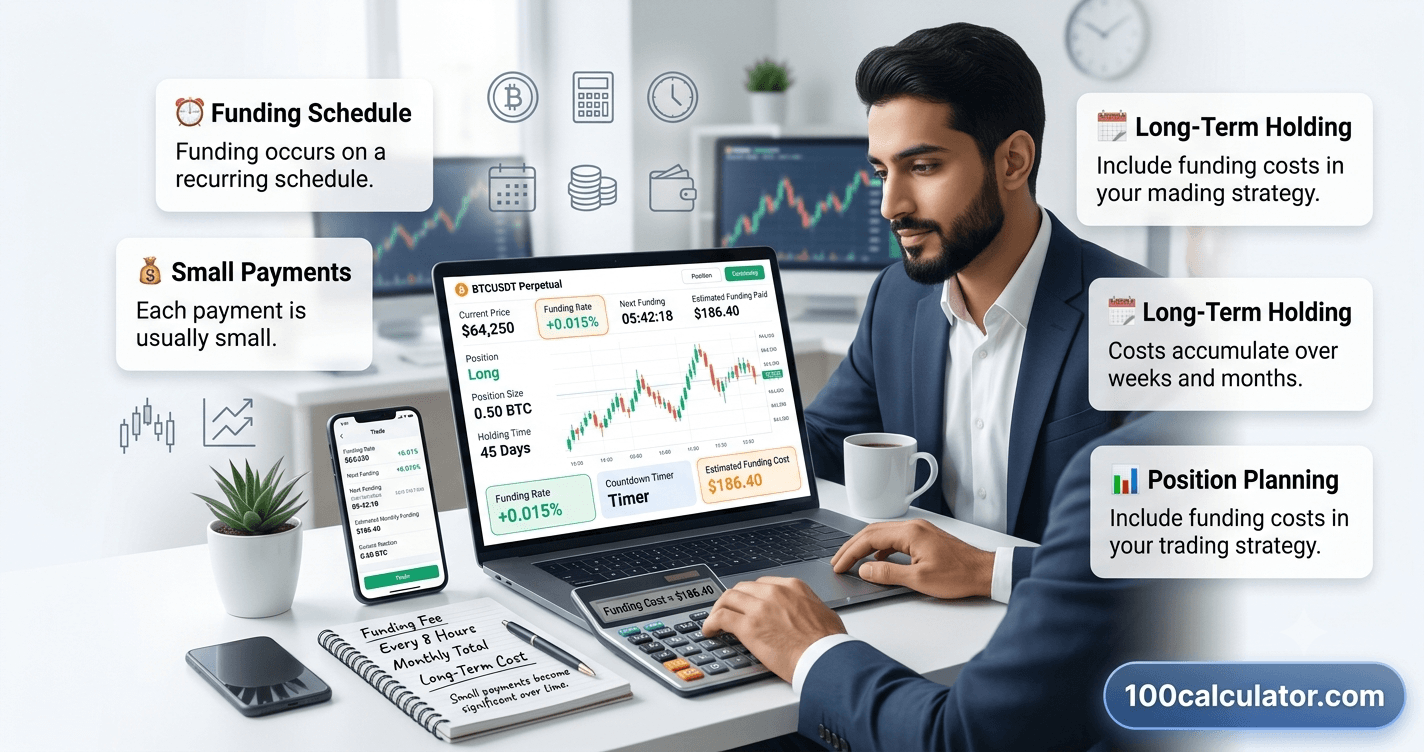
On the futures side, you'll find a detailed explanation of
what a funding rate is, how funding fees affect long-term
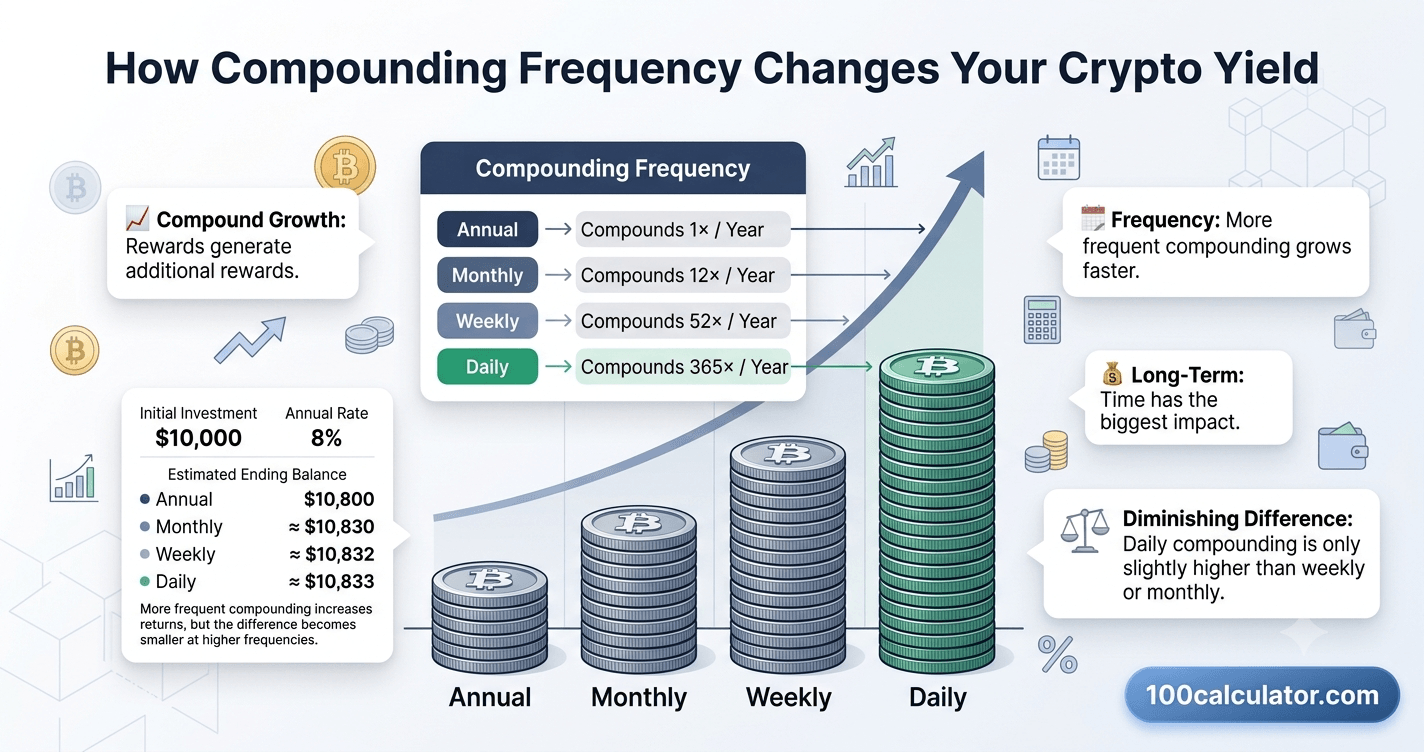
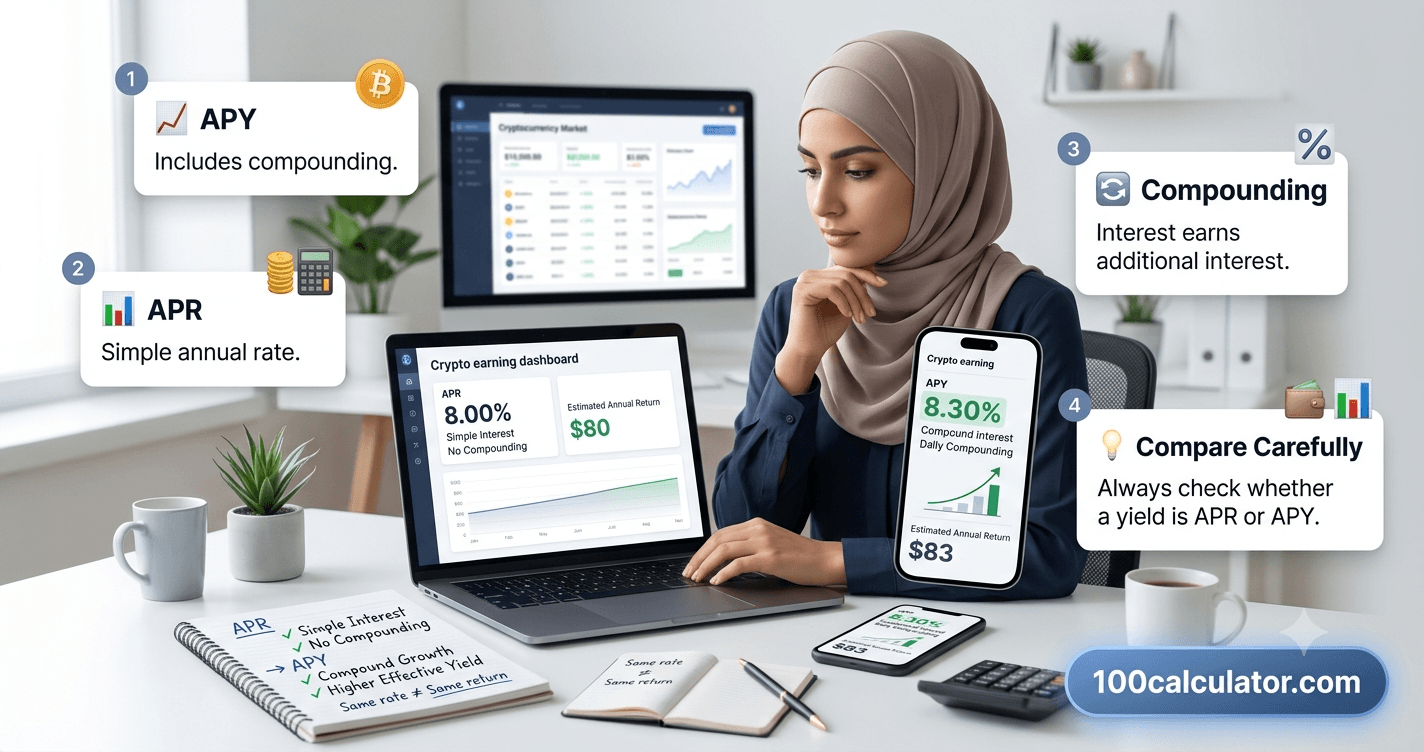
futures positions, and how APY compares to APR once
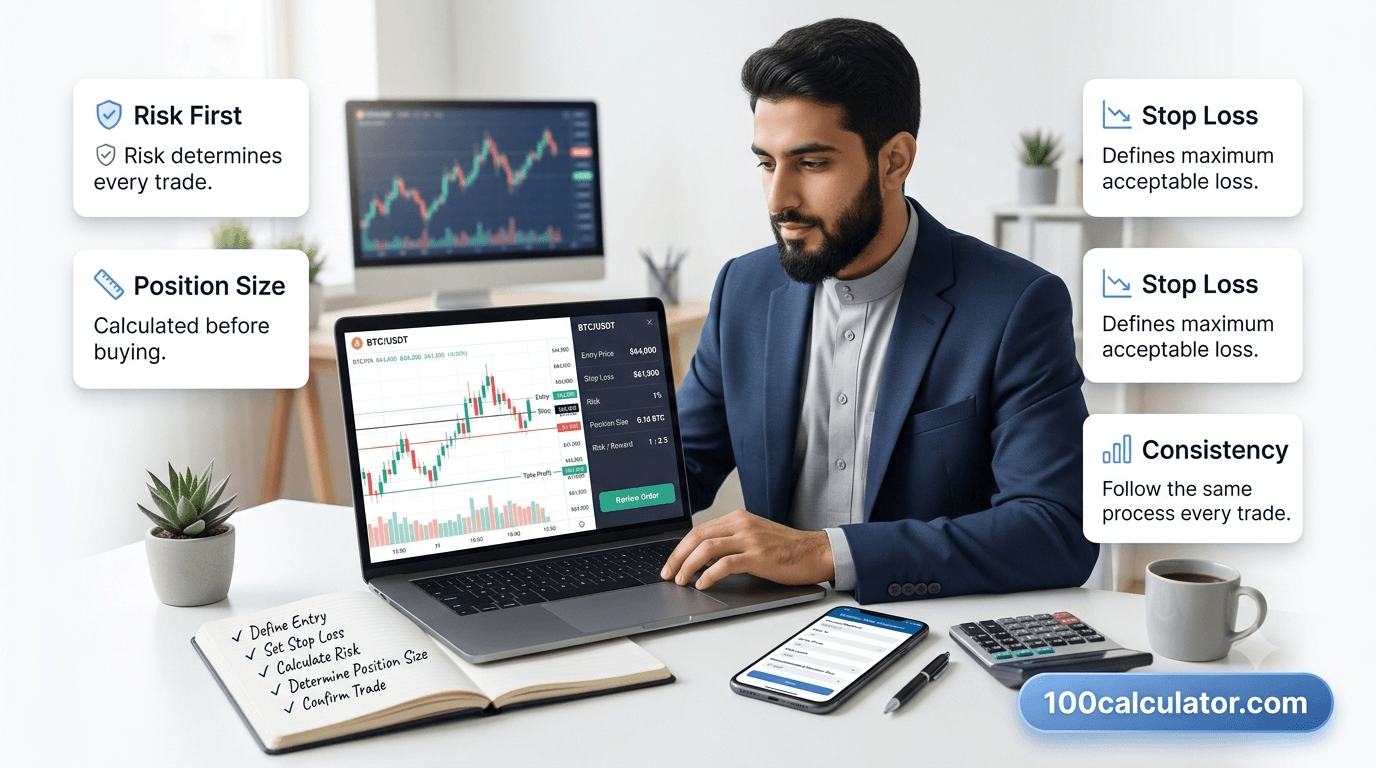
compounding frequency is factored in. Position sizing gets its
own dedicated coverage too, including position sizing rules
every crypto trader should know and how to size positions
based on your actual risk tolerance rather than a fixed
percentage everyone repeats.
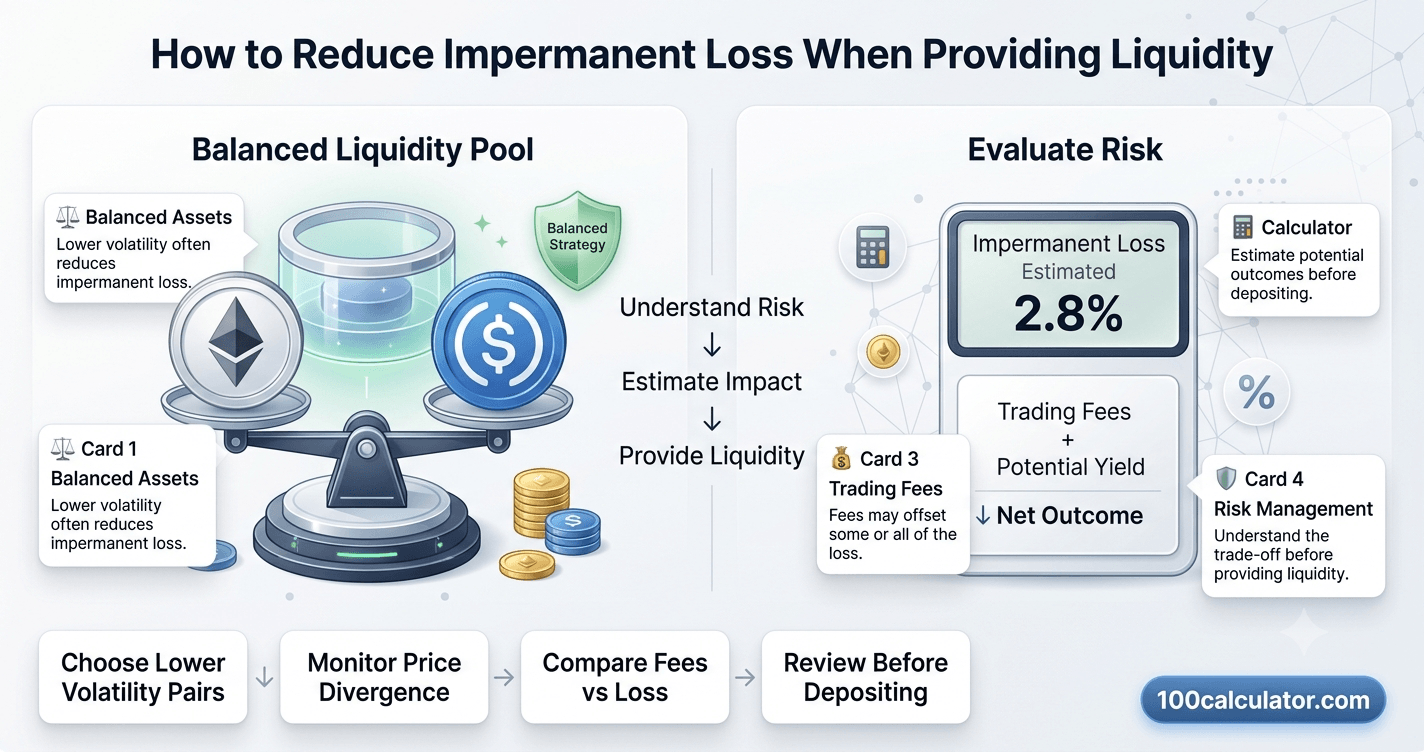
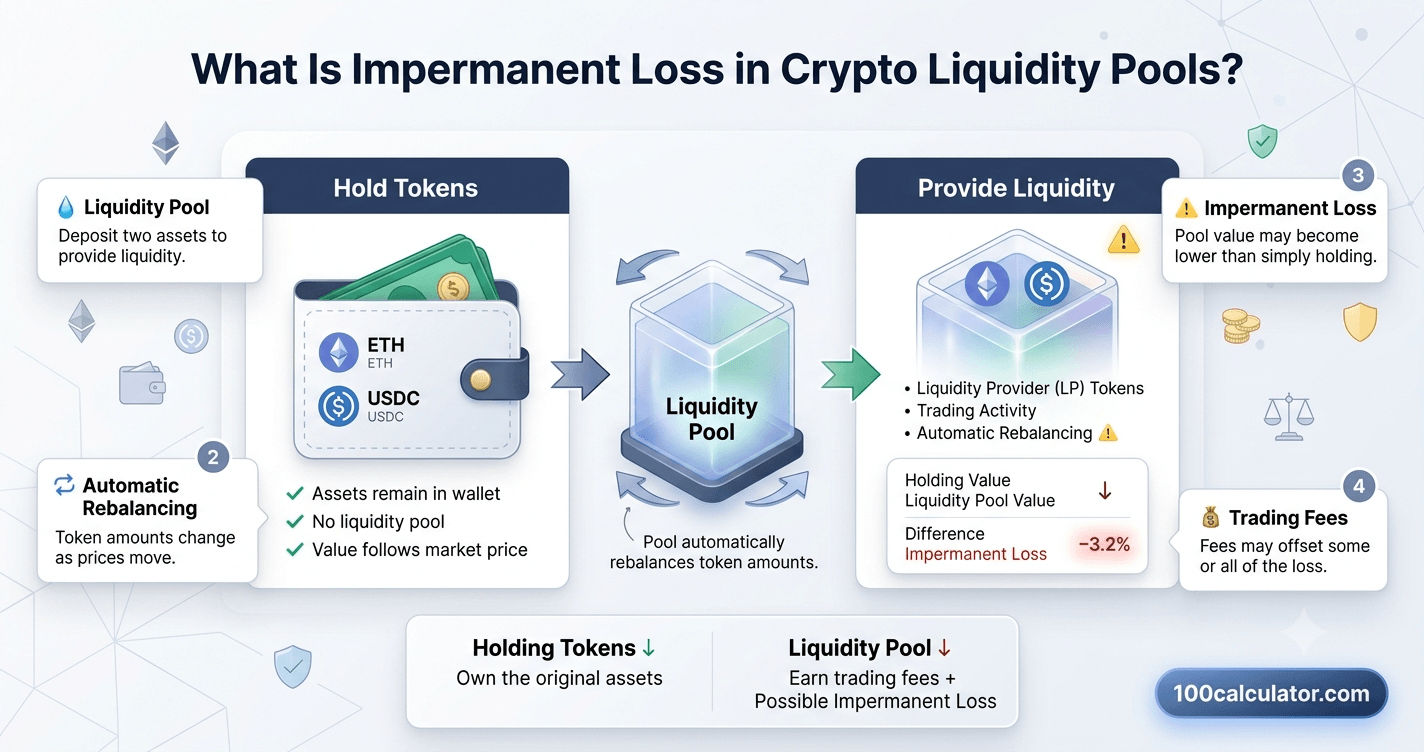
For anyone providing liquidity instead of trading futures, two
guides walk through what impermanent loss actually is and
practical ways to reduce it when providing liquidity to a
pool. Every article in this category is written around the
same idea: leverage and liquidity provision amplify outcomes
in both directions, so understanding the mechanism matters
more here than almost anywhere else in trading.
See how funding fees add up on long-term crypto futures
positions and use our free Crypto Futures Funding Fee
Calculator to estimate your real holding cost.
 Crypto Calculator Guide