Clear explanations of the formulas behind everyday health
numbers, from blood alcohol concentration and testosterone
levels to macro needs, FFMI, and how PCOS changes calorie
math.
A lot of health advice skips the formula and jumps straight to
the recommendation. This category does the opposite. Each
guide takes a number people commonly look up, whether that's
blood alcohol concentration, a testosterone reading, or a
daily protein target, and shows exactly how it's calculated
and what the inputs mean.
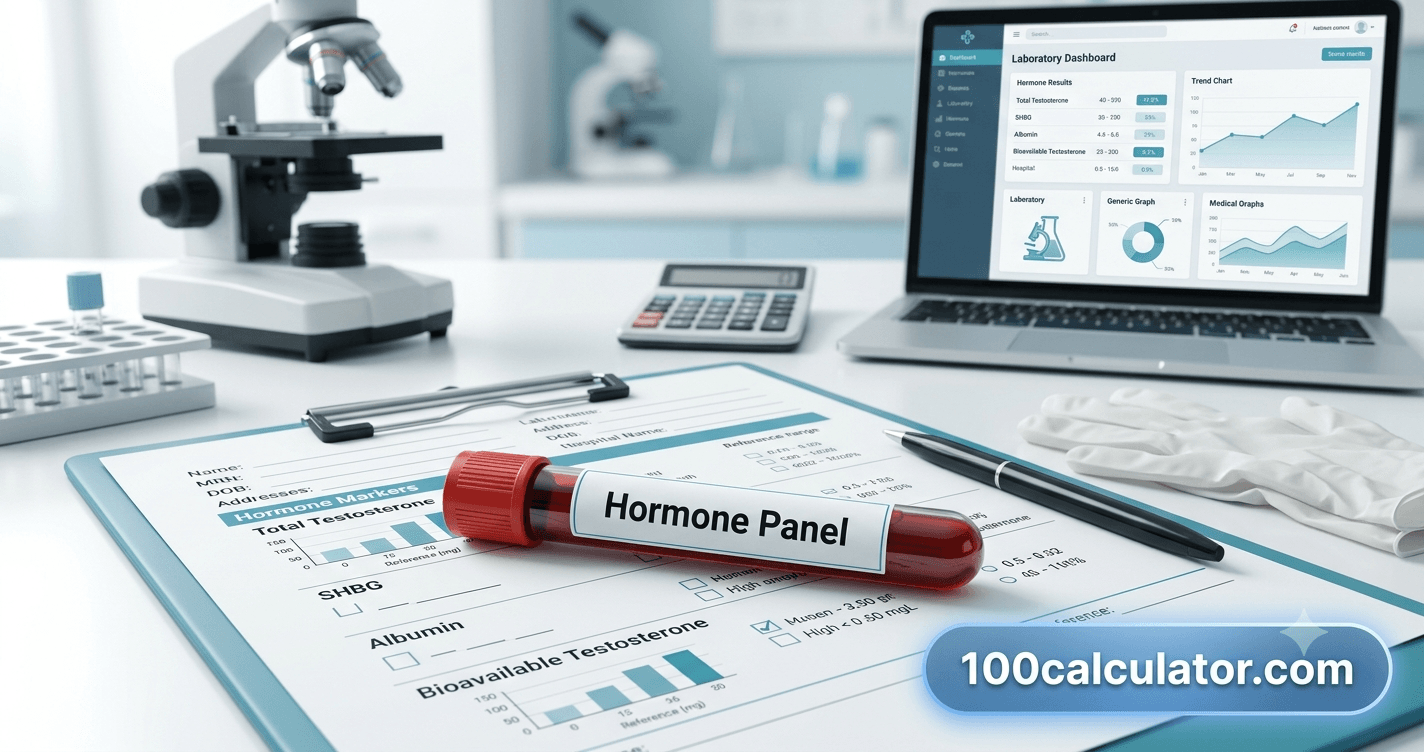
You'll find guides comparing free, total, and bioavailable
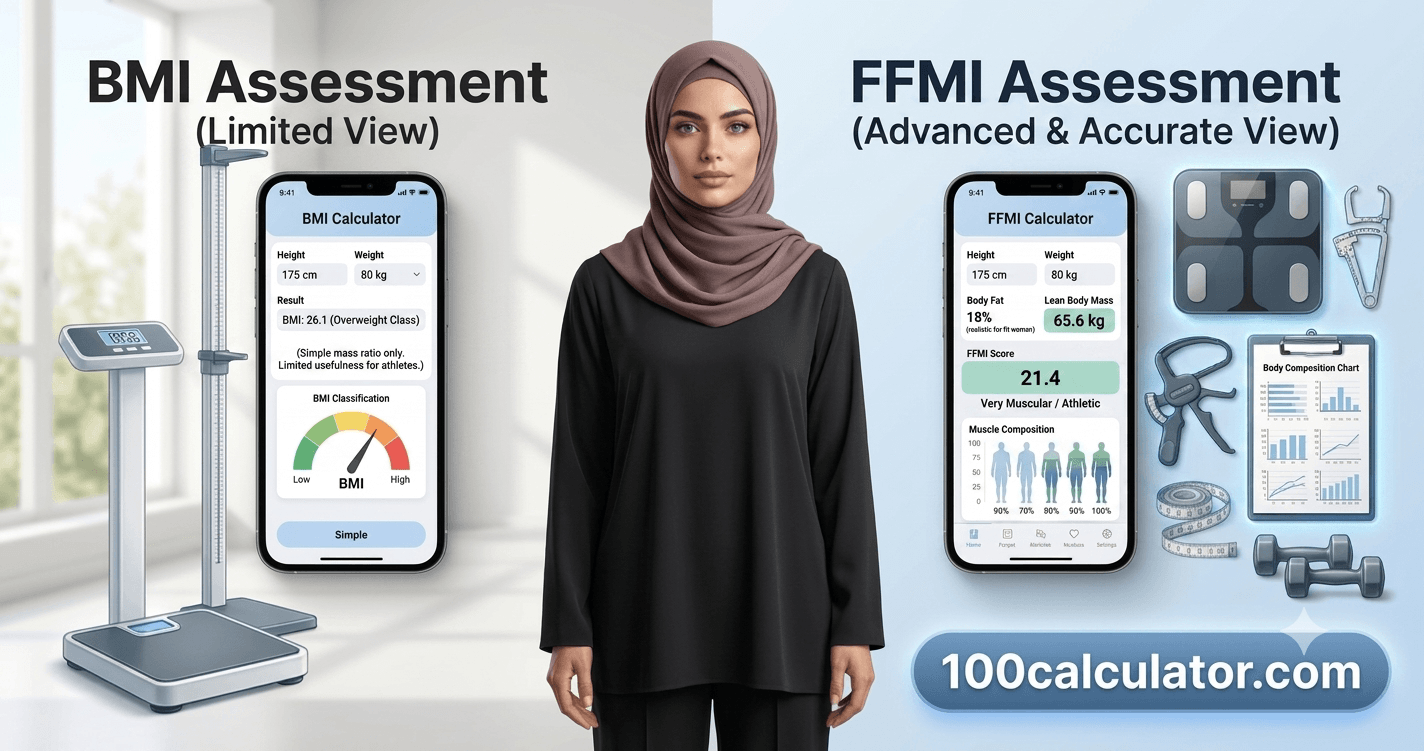
testosterone, explaining what fat-free mass index measures and
how it differs from BMI, and walking through how PCOS changes
calorie needs and calorie-deficit strategy. There are also
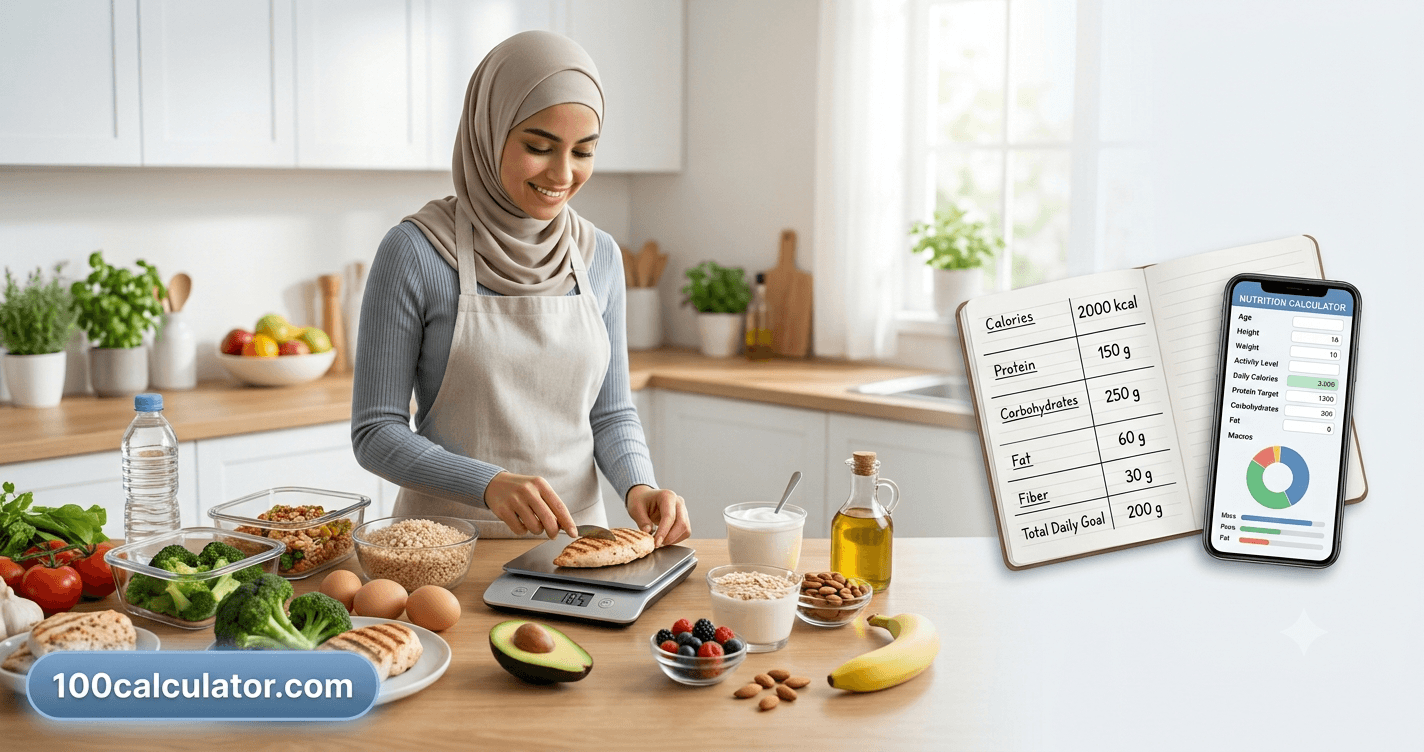
practical breakdowns of how BAC is calculated after drinking
and how to work out your own daily macro and protein needs
instead of copying a generic number off the internet.
The goal is to make you a more informed reader of your own lab
results, body composition metrics, and everyday health
calculators, not to replace medical advice. If a number in one
of these guides looks off for your situation, that's worth
bringing to a doctor or registered dietitian, and several
articles point out exactly where individual variation matters
most.
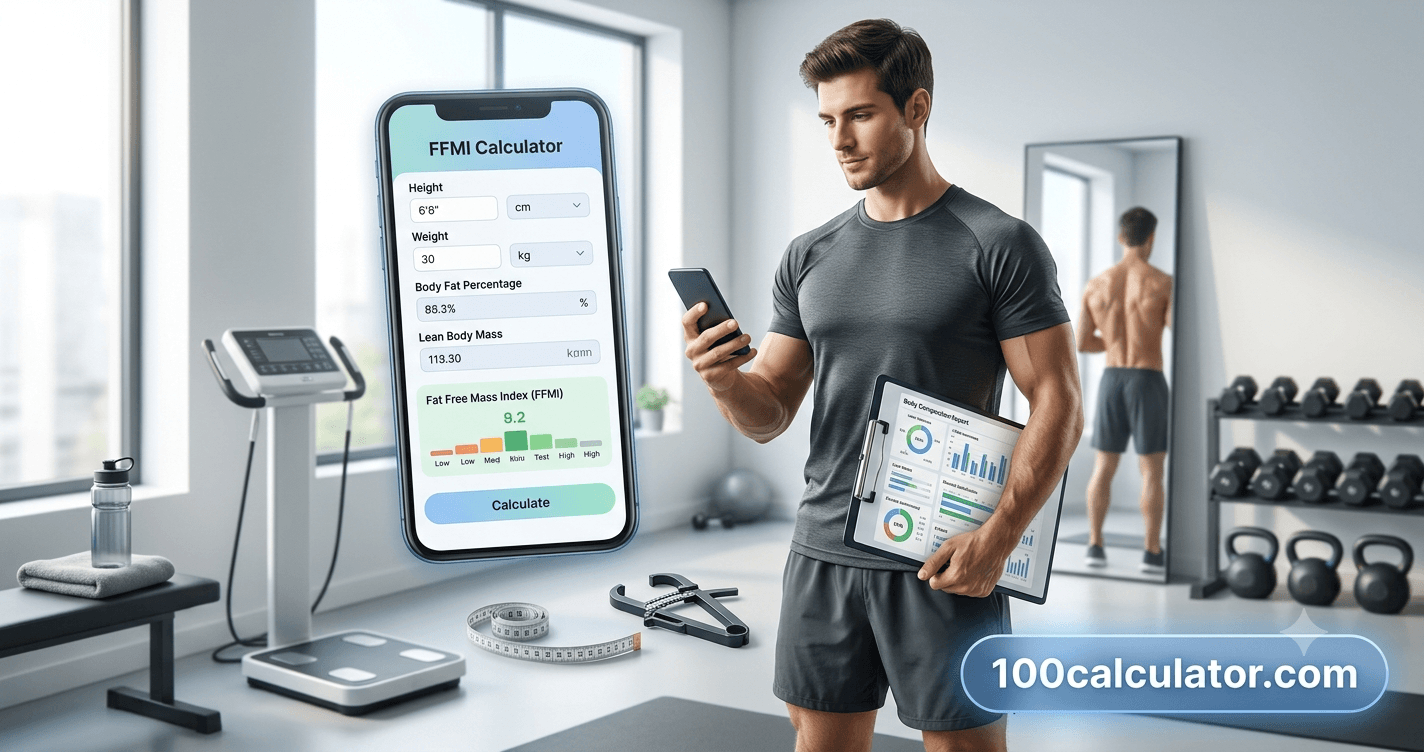
BMI often mislabels muscular people as overweight. Learn
what FFMI measures, how to calculate your Fat-Free Mass
Index, and which metric fits your goals.
Learn the real differences between free, total, and
bioavailable testosterone, see example reference ranges,
and find out which number actually matters most.
Learn what Fat-Free Mass Index (FFMI) measures, how it
compares to BMI, and what a normal FFMI range looks like
for men and women, with a free calculator.
 Common Health Guide